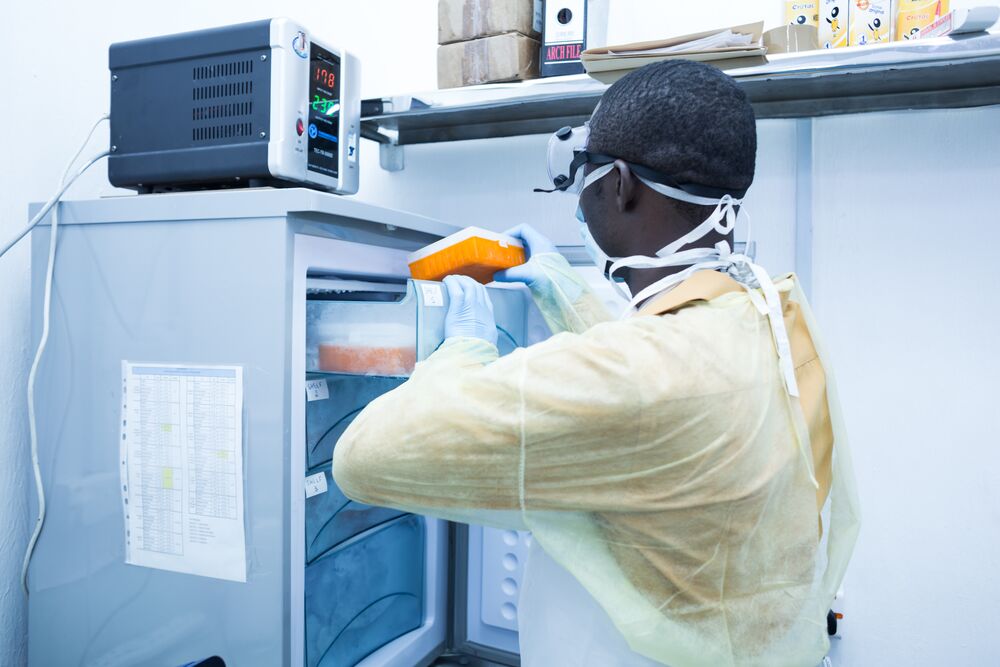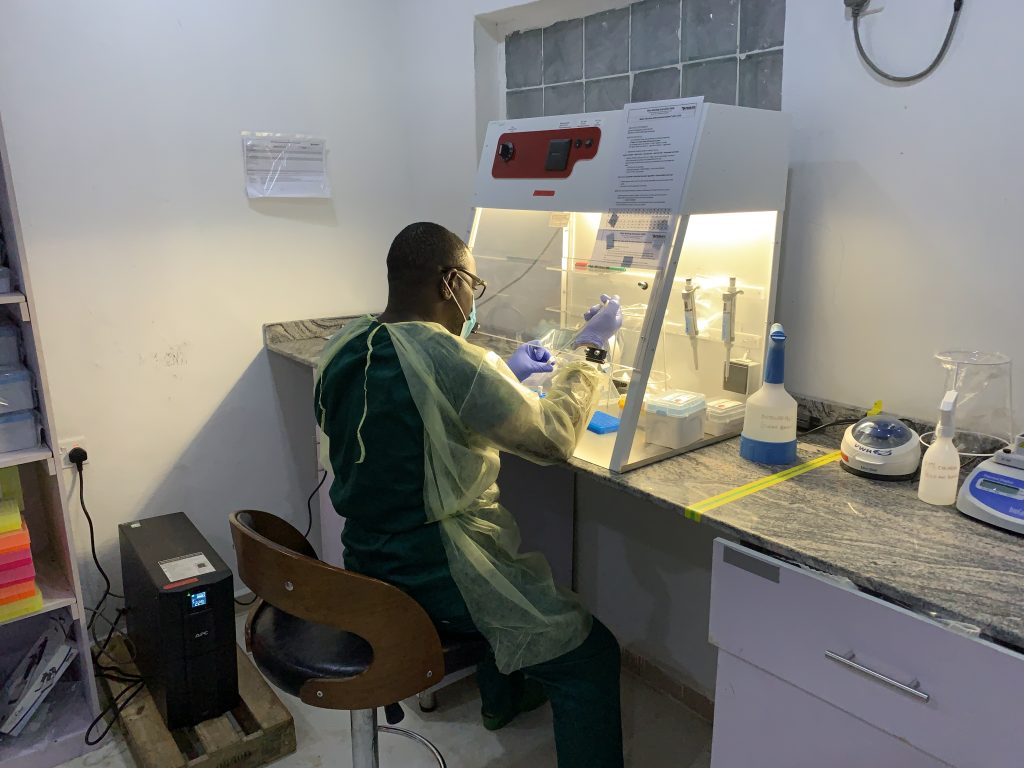
Lassa fever, which remains endemic in West Africa, typically surges during the dry season from December to April every year. From January to April 2026, the Nigeria Centre for Disease Control (NCDC) reported 685 confirmed Lassa fever cases and 167 deaths. To respond to this situation, the INTEGRATE consortium has taken a significant step forward by launching a Phase 2 clinical trial.
INTEGRATE is a multi-country adaptive clinical trial platform designed to accelerate the evaluation of new treatments for Lassa fever. This Phase 2 is assessing ARN-75039, a novel compound developed by Arisan Therapeutics. The company provides the study drug but is not involved in data collection or final analysis, which are fully managed by the INTEGRATE consortium.
The INTEGRATE Phase 2 trial focuses on assessing the safety and tolerability of ARN-75039 drug compared to the standard of care drug – ribavirin, and has been launched in Nigeria across the following sites: Federal Medical Center of Owo (FMCO), Owo, Ondo State and the Irrua Specialist Teaching Hospital (ISTH), Irrua, Edo State.
This INTEGRATE Phase 2 trial is under the sponsorship of ISTH with the French National Medical Research Agency – Infectious Diseases and emerging diseases (ANRS-MIE) as co-sponsor.
Phase 2 Trial of ARN-75039 Advances Across INTEGRATE Sites
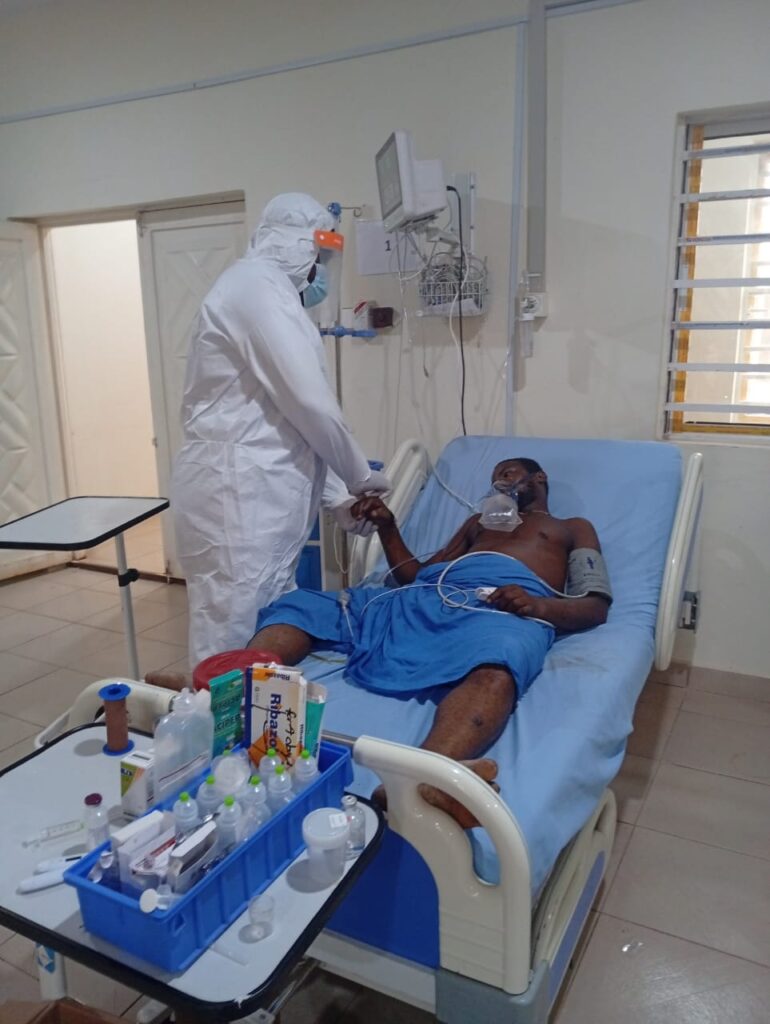
Following the successful completion of both pre-clinical and Phase 1 clinical studies, the ARN-75039 drug, developed by the U.S. pharmaceutical company Arisan Therapeutics has received an approval from an independent board of experts to be evaluated in a Phase 2 trial within the INTEGRATE platform.
The first participant was enrolled at FMCO on February 14th, 2026, and at ISTH on February 25th 2026.
Healthcare professionals, data managers, and other key staff at both sites underwent comprehensive Phase 2–specific training to ensure full preparedness for study initiation, strict adherence to the study protocol, and rigorous compliance with all applicable FDA regulatory requirements.
To date, 55 of the 135 participants required for this Phase 2 sub-protocol have been enrolled. Overall, 110 participants have been enrolled in the INTEGRATE platform trial across the Ribavirin arm, the Dexamethasone plus Ribavirin combination arm, and the two ARN-75039 arms (low-dose and high-dose).
The trial is enrolling adults aged 18 years and older with confirmed Lassa fever who present to any of the participating sites. Pregnant women are not currently eligible for this Phase 2 sub-protocol. Patients with suspected Lassa fever can ask their healthcare provider about eligibility.
Prof. Reuben Eifediyi CEO Irrua Specialist Teaching Hospital/Board Chairman, INTEGRATE Consortium
“Lassa fever does not end with the patient. It tears through families, bankrupts communities, and leaves orphans where breadwinners once stood. A new treatment is not just a medical milestone; it is a lifeline for mothers who cannot afford weeks of isolation, for fathers who fear leaving their children behind, and for entire villages where one fever becomes a funeral. This trial in Nigeria is not about a drug alone. It is about restoring the dignity of survival and breaking the cycle of fear that has haunted our endemic regions for decades. If this trial succeeds, it will rewrite what it means to live with Lassa fever in West Africa.”
Strengthening Research, Improving Outcomes
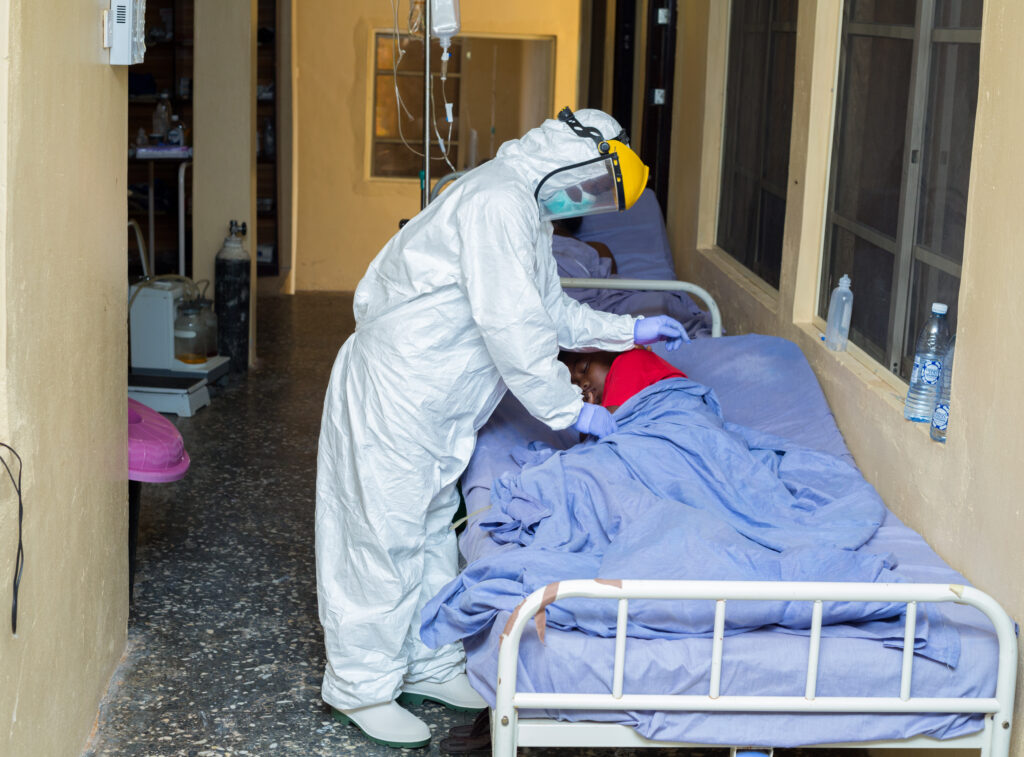
The launch of this new drug assessment in Phase 2 represents a major milestone for both the INTEGRATE project and the broader effort to improve Lassa fever treatment.
Currently, treatment options for Lassa fever remain limited, and outcomes are often dependent on early diagnosis and supportive care. The development of new, more effective therapeutics such as ARN-75039 could significantly improve survival rates and patient outcomes.
This step also reflects the growing capacity for high-quality clinical research in endemic regions, strengthening local health systems and contributing to global knowledge on Lassa fever.
Through the INTEGRATE consortium, local research teams continue to benefit from training in clinical trial protocols and standard operating procedures, strengthening of laboratory and data management systems, and collaboration with national and international partners. These efforts are essential to ensuring that clinical research is both locally led and globally relevant.
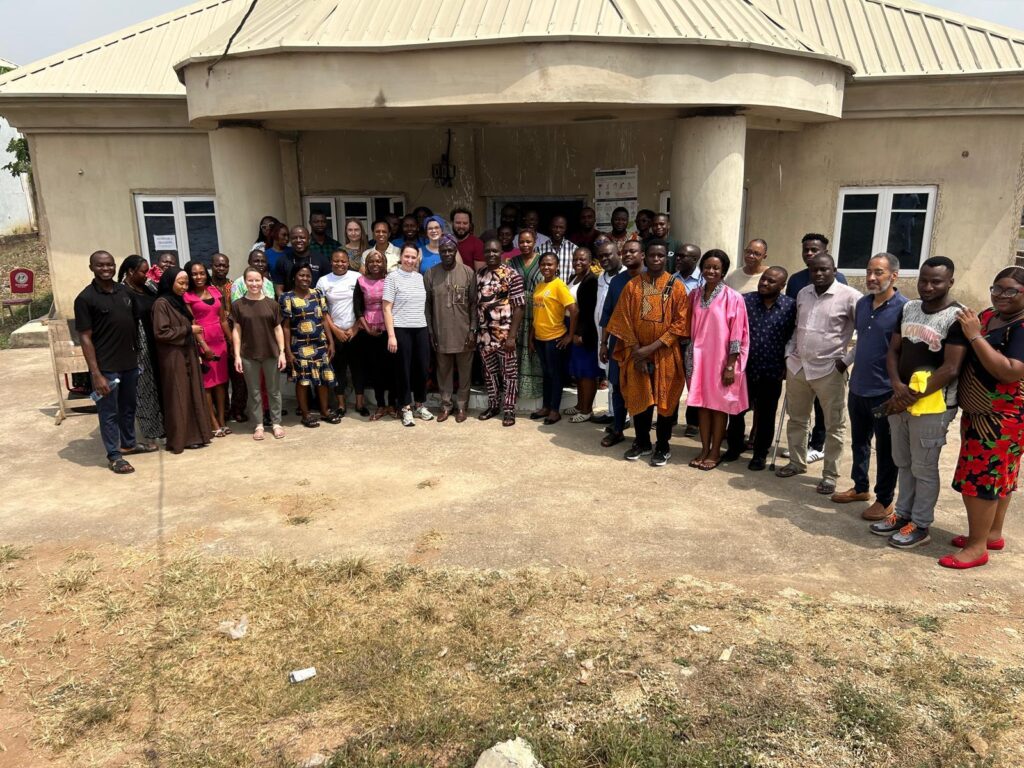
Navigating the Challenges of the Revolutionary INTEGRATE Clinical Trial
According to Dr Marie Jaspard, infectious disease specialist and Coordinating International Principal Investigator of INTEGRATE trial, Implementing the INTEGRATE clinical trials is not without challenges:
“Implementing clinical trials in Lassa-endemic settings presents a number of challenges, from logistical constraints and infrastructure limitations to ensuring timely patient enrolment. These environments are often complex and resource-constrained. However, through strong collaboration with local teams and sustained investment in training and systems, we are able to maintain high standards of research while ensuring patient safety.”
Dr O.O. Ayodeji, Site Principal Investigator of INTEGRATE at FMC Owo, adds:
“Phase 2 of the trial is a critical step in evaluating the safety and effectiveness of ARN-75039. It will involve carefully monitored participant enrolment, strict adherence to treatment protocols, and continuous follow-up to ensure patient safety and data integrity. All processes are aligned with international standards, including Good Clinical Practice, to protect participants and ensure the reliability of our findings.”
As Phase 2 continues, the INTEGRATE consortium and its partners remain committed to advancing research that can lead to safer and more effective treatments for Lassa fever.
This next phase brings renewed hope not only for patients in Nigeria, but for communities across West Africa affected by the disease.
Activities on the INTEGRATE project are made possible with funding from EDCTP 3, a program supported by the European Union, from Arisan Therapeutics, ANRS MIE and the German Center for Infection Research.